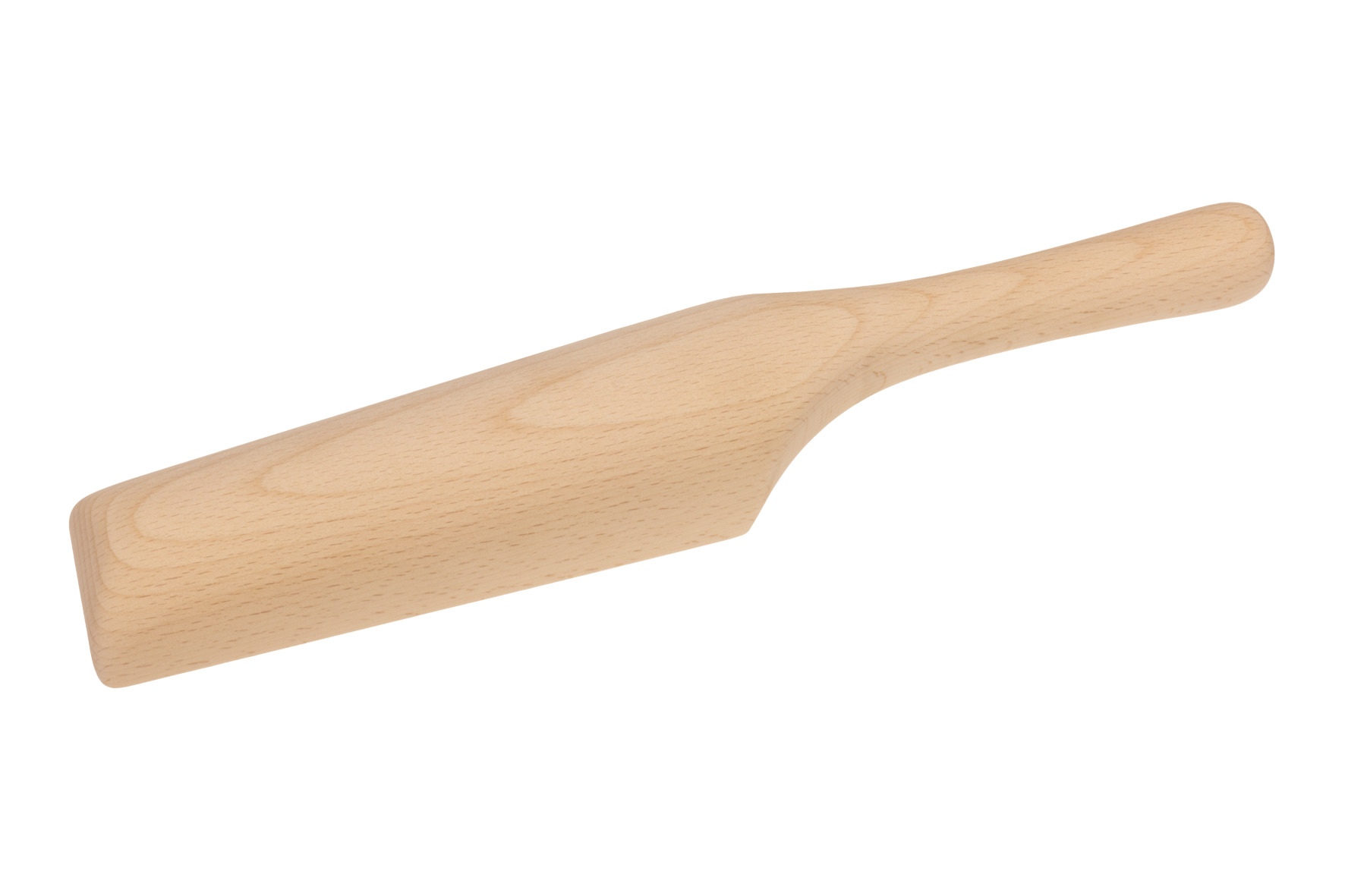
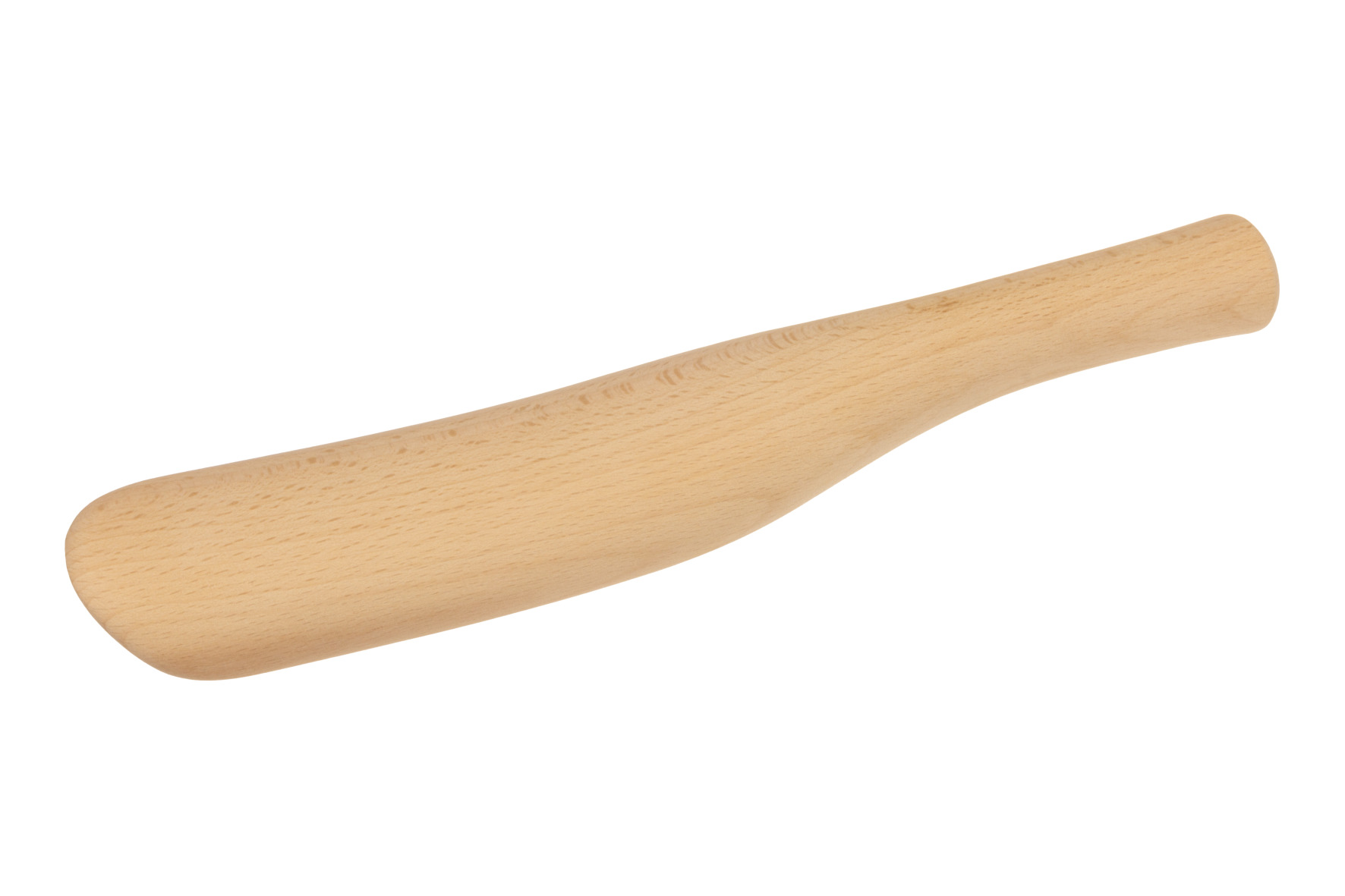
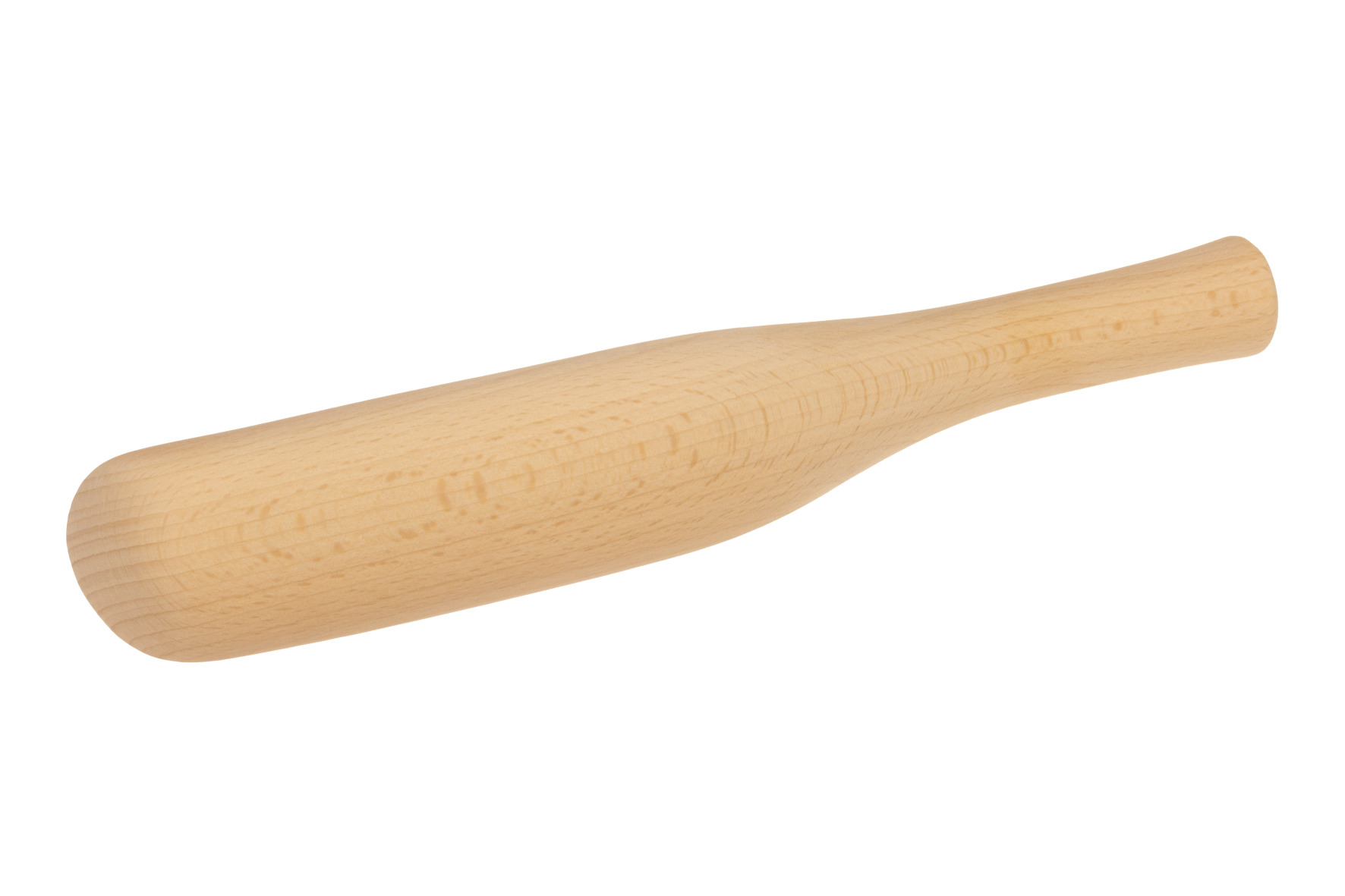
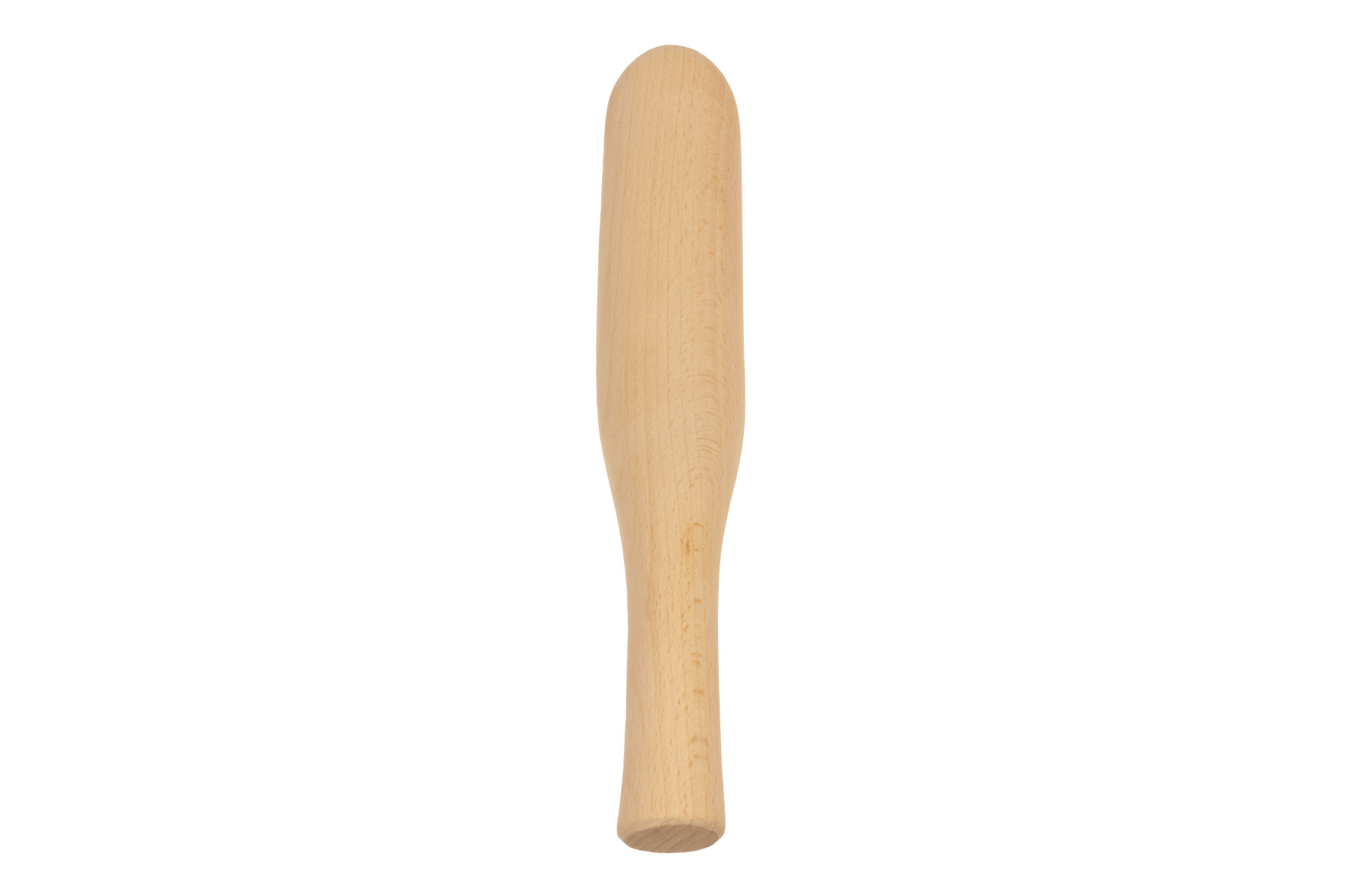
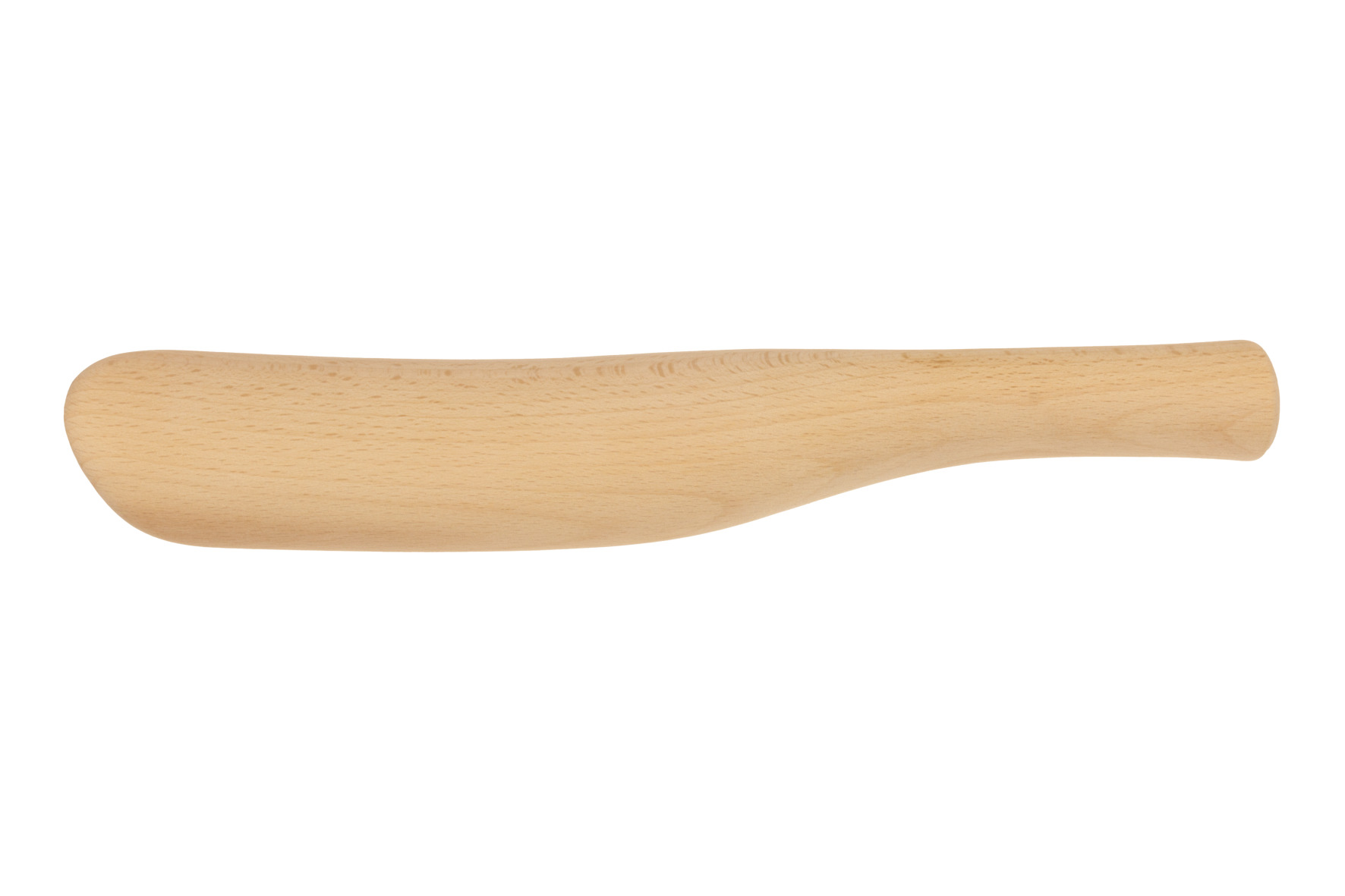
2846 Wooden lead dresser, curved
Brushed surface , for working on lead roofing on roofs and in bodywork construction, made from one piece, raised handle shape to prevent injuries.
| Werkstoff | Item No | Designation | Weight | Length | Model (Table) |
|---|---|---|---|---|---|
| Buche | 284612 | Wooden lead dresser, curved | 295 g | 320 mm | gebogen |
Manufacturer information (GPSR)
MANUFACTURER ACCORDING TO THE EU GENERAL PRODUCT SAFETY REGULATION (GPSR)
STUBAI ZMV GmbH
Dr. Kofler Straße 1
A-6166 Fulpmes
Phone: +43 5225 6960 211
Email: office@stubai.com
Safety Instructions for Leadworking Tools / Mallets
General Information:
• Suitable tool: Always use tools specifically designed for the respective task. Using an unsuitable tool increases the risk of accidents and can make the work more difficult.
• Leadworking tools / mallets may only be used by persons with limited physical, sensory or mental abilities, or lacking experience and/or knowledge, if they are supervised by a person responsible for their safety, have received instructions on how to use leadworking tools / mallets, and have understood the resulting hazards.
• Children may only use leadworking tools / mallets if they are over 8 years old and are supervised by a person responsible for their safety, have received instructions on how to use leadworking tools / mallets, and have understood the resulting hazards.
• Keep packaging films away from children; risk of suffocation!
Intended Use:
• Safety is only ensured when the tool is used as intended. Use the tool exclusively for its designated purpose. Incorrect use may lead to tool breakage and injuries.
Improper Use:
• Use as a lever or chisel is not permitted.
Inspection Before Use:
• Ensure tool integrity: Check all leadworking tools before use for visible damage such as cracks in the handle, breaks or loose parts.
• Do not use damaged tools: Defective tools must not be used, as they increase the risk of accidents.
Personal Protective Equipment:
• Wear safety goggles: Use safety goggles to protect yourself from chipping material.
• Hand protection: Wear robust work gloves that provide a secure grip and protect against skin injuries.
• Safety footwear: Wear safety shoes with a metal or plastic toe cap to protect your toes.
Specific Safety Instructions During Use:
• Correct application: Mallets are specifically designed for working with sheet metal and thin metals. Avoid using mallets on harder materials or applying excessive force, as this may damage the tool.
• Protection when working with sheet metal: Since splinters or sharp edges may occur when working with sheet metal, ensure that the surrounding area is clean and safe. Avoid leaving sharp-edged scraps near the workspace.
• Secure the workpiece: Ensure that the sheet metal is securely fixed before working with the mallet. An unstable workpiece may slip or deform, leading to inaccurate results or injuries.
• Secure grip: Hold the mallet firmly and avoid applying excessive force. Too strong a blow may damage the tool or the workpiece.
• Even striking: Apply even pressure to work the material without deformation. Uneven blows may cause unwanted dents or cracks in the sheet metal.
• Strike position and angle: Always strike the workpiece at the correct angle. Incorrect striking direction may cause the tool to move uncontrollably or damage the working surfaces.
Maintenance, Care and Storage:
• Regular inspection: Check mallets regularly for cracks, wear or other damage. Using a damaged mallet is not permitted.
• Avoid moisture: Store the tool away from moisture and aggressive chemicals.
• Storage: Store mallets out of reach of children and persons with limited physical, sensory or mental abilities, in a safe, dry place such as a toolbox or tool wall to prevent accidents and damage.
Special Notes:
• Avoid improvisation: Use mallets exclusively for their intended purpose. Using tools for unsuitable applications may lead to tool breakage or injuries.
• Transport: Ensure that mallets are securely fastened during transport to avoid injuries.
This text has been partially translated with the support of AI technology.
STUBAI ZMV GmbH
Dr. Kofler Straße 1
A-6166 Fulpmes
Phone: +43 5225 6960 211
Email: office@stubai.com
Safety Instructions for Leadworking Tools / Mallets
General Information:
• Suitable tool: Always use tools specifically designed for the respective task. Using an unsuitable tool increases the risk of accidents and can make the work more difficult.
• Leadworking tools / mallets may only be used by persons with limited physical, sensory or mental abilities, or lacking experience and/or knowledge, if they are supervised by a person responsible for their safety, have received instructions on how to use leadworking tools / mallets, and have understood the resulting hazards.
• Children may only use leadworking tools / mallets if they are over 8 years old and are supervised by a person responsible for their safety, have received instructions on how to use leadworking tools / mallets, and have understood the resulting hazards.
• Keep packaging films away from children; risk of suffocation!
Intended Use:
• Safety is only ensured when the tool is used as intended. Use the tool exclusively for its designated purpose. Incorrect use may lead to tool breakage and injuries.
Improper Use:
• Use as a lever or chisel is not permitted.
Inspection Before Use:
• Ensure tool integrity: Check all leadworking tools before use for visible damage such as cracks in the handle, breaks or loose parts.
• Do not use damaged tools: Defective tools must not be used, as they increase the risk of accidents.
Personal Protective Equipment:
• Wear safety goggles: Use safety goggles to protect yourself from chipping material.
• Hand protection: Wear robust work gloves that provide a secure grip and protect against skin injuries.
• Safety footwear: Wear safety shoes with a metal or plastic toe cap to protect your toes.
Specific Safety Instructions During Use:
• Correct application: Mallets are specifically designed for working with sheet metal and thin metals. Avoid using mallets on harder materials or applying excessive force, as this may damage the tool.
• Protection when working with sheet metal: Since splinters or sharp edges may occur when working with sheet metal, ensure that the surrounding area is clean and safe. Avoid leaving sharp-edged scraps near the workspace.
• Secure the workpiece: Ensure that the sheet metal is securely fixed before working with the mallet. An unstable workpiece may slip or deform, leading to inaccurate results or injuries.
• Secure grip: Hold the mallet firmly and avoid applying excessive force. Too strong a blow may damage the tool or the workpiece.
• Even striking: Apply even pressure to work the material without deformation. Uneven blows may cause unwanted dents or cracks in the sheet metal.
• Strike position and angle: Always strike the workpiece at the correct angle. Incorrect striking direction may cause the tool to move uncontrollably or damage the working surfaces.
Maintenance, Care and Storage:
• Regular inspection: Check mallets regularly for cracks, wear or other damage. Using a damaged mallet is not permitted.
• Avoid moisture: Store the tool away from moisture and aggressive chemicals.
• Storage: Store mallets out of reach of children and persons with limited physical, sensory or mental abilities, in a safe, dry place such as a toolbox or tool wall to prevent accidents and damage.
Special Notes:
• Avoid improvisation: Use mallets exclusively for their intended purpose. Using tools for unsuitable applications may lead to tool breakage or injuries.
• Transport: Ensure that mallets are securely fastened during transport to avoid injuries.
This text has been partially translated with the support of AI technology.