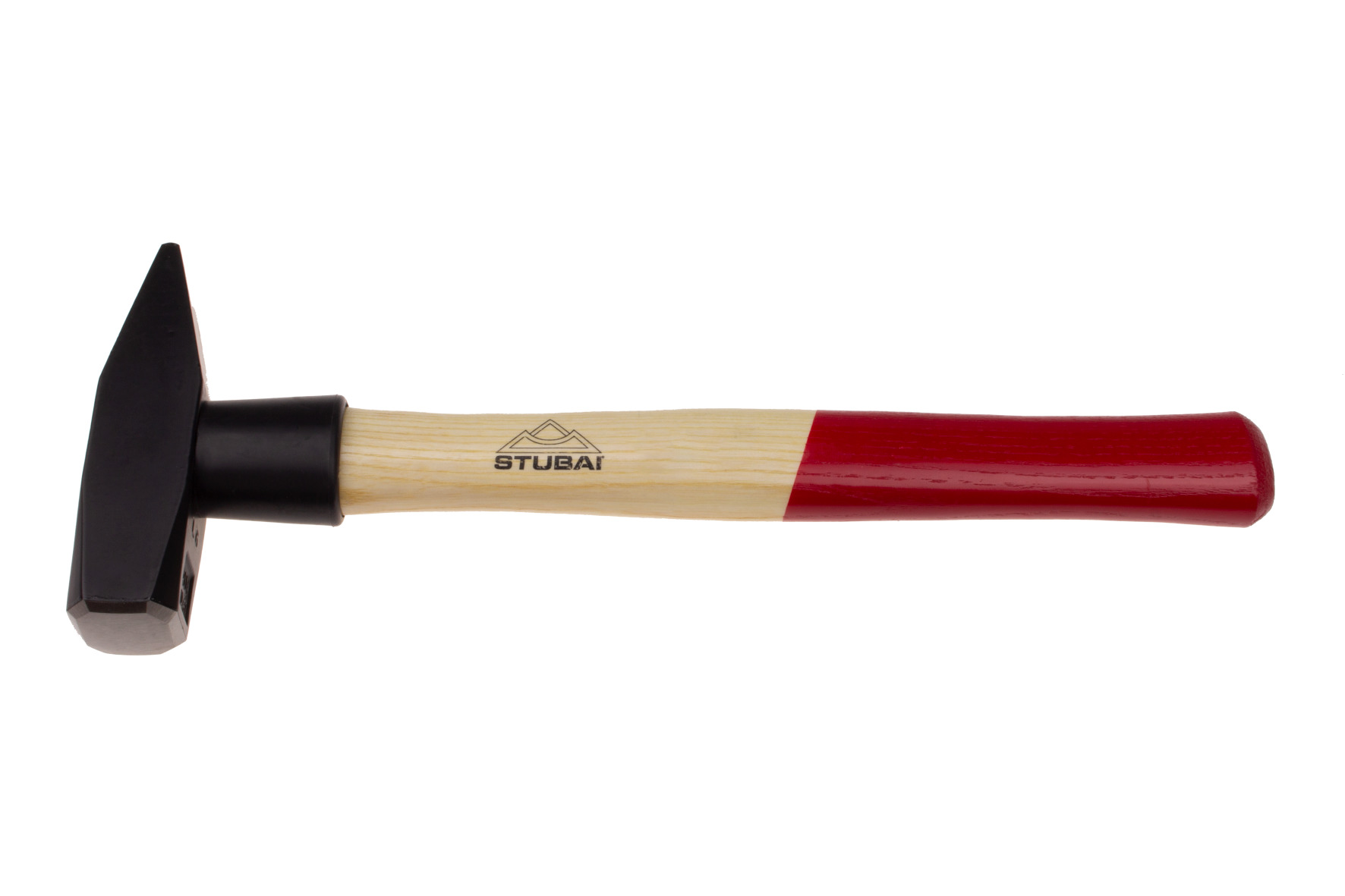
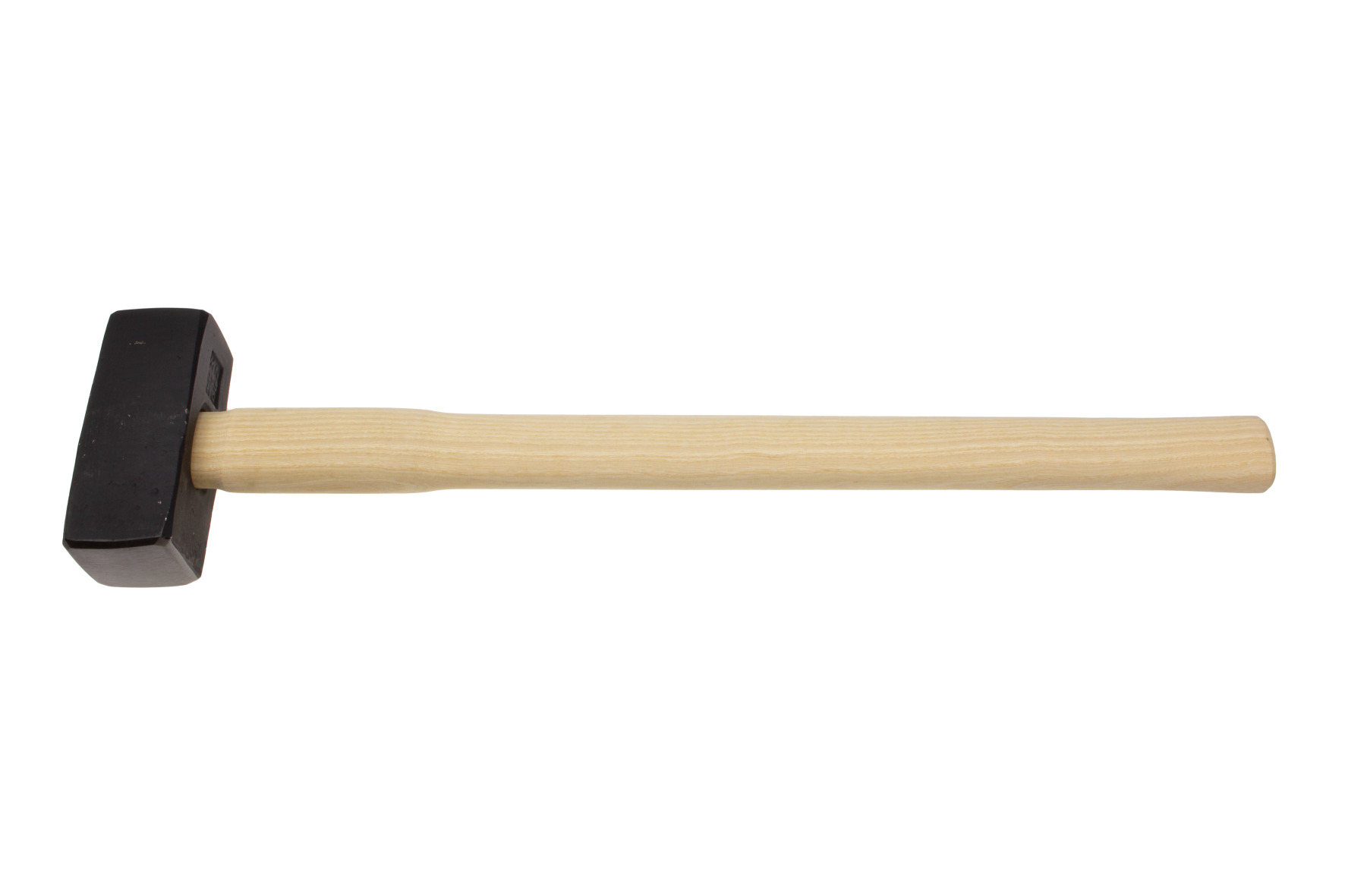
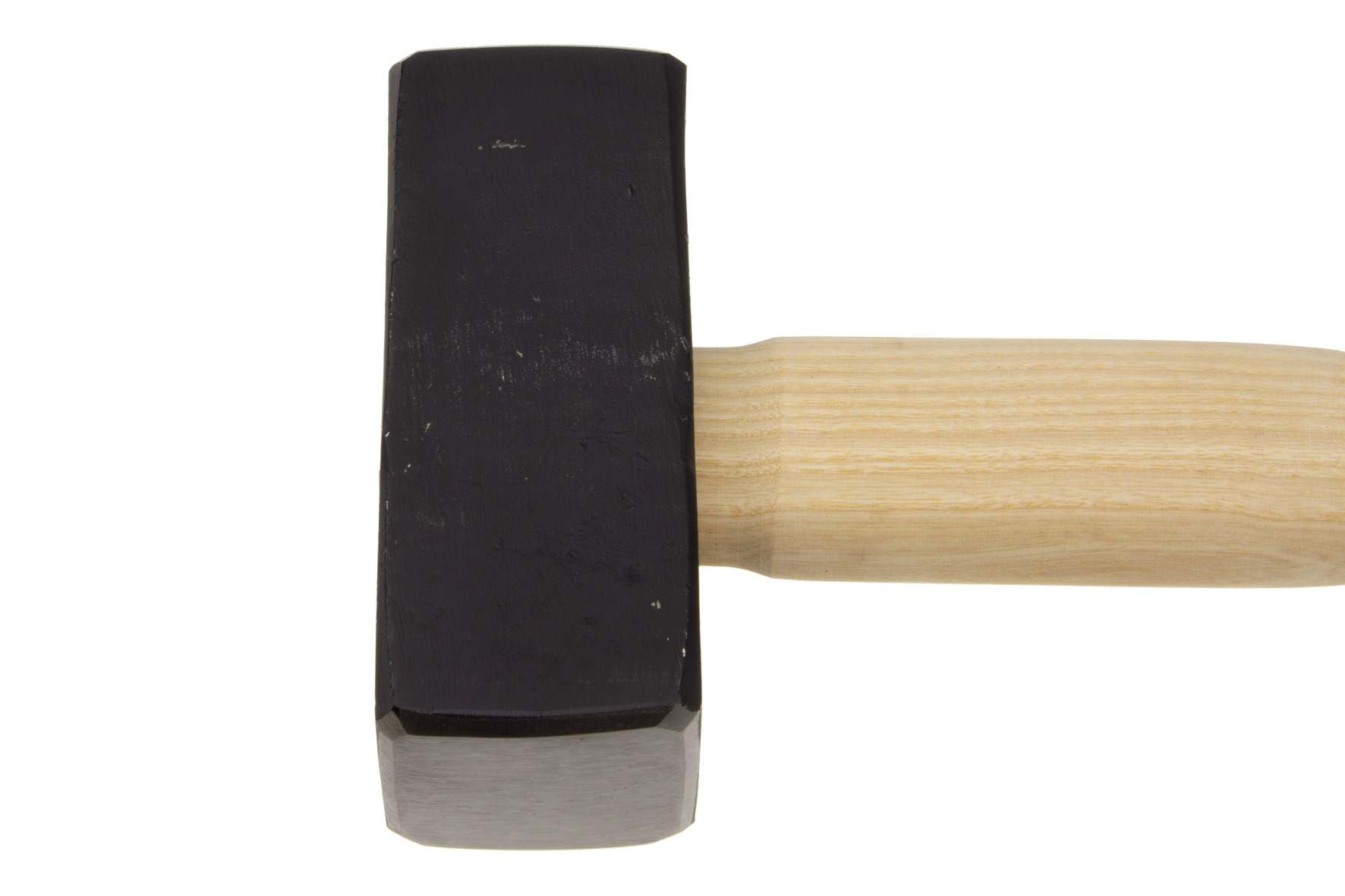
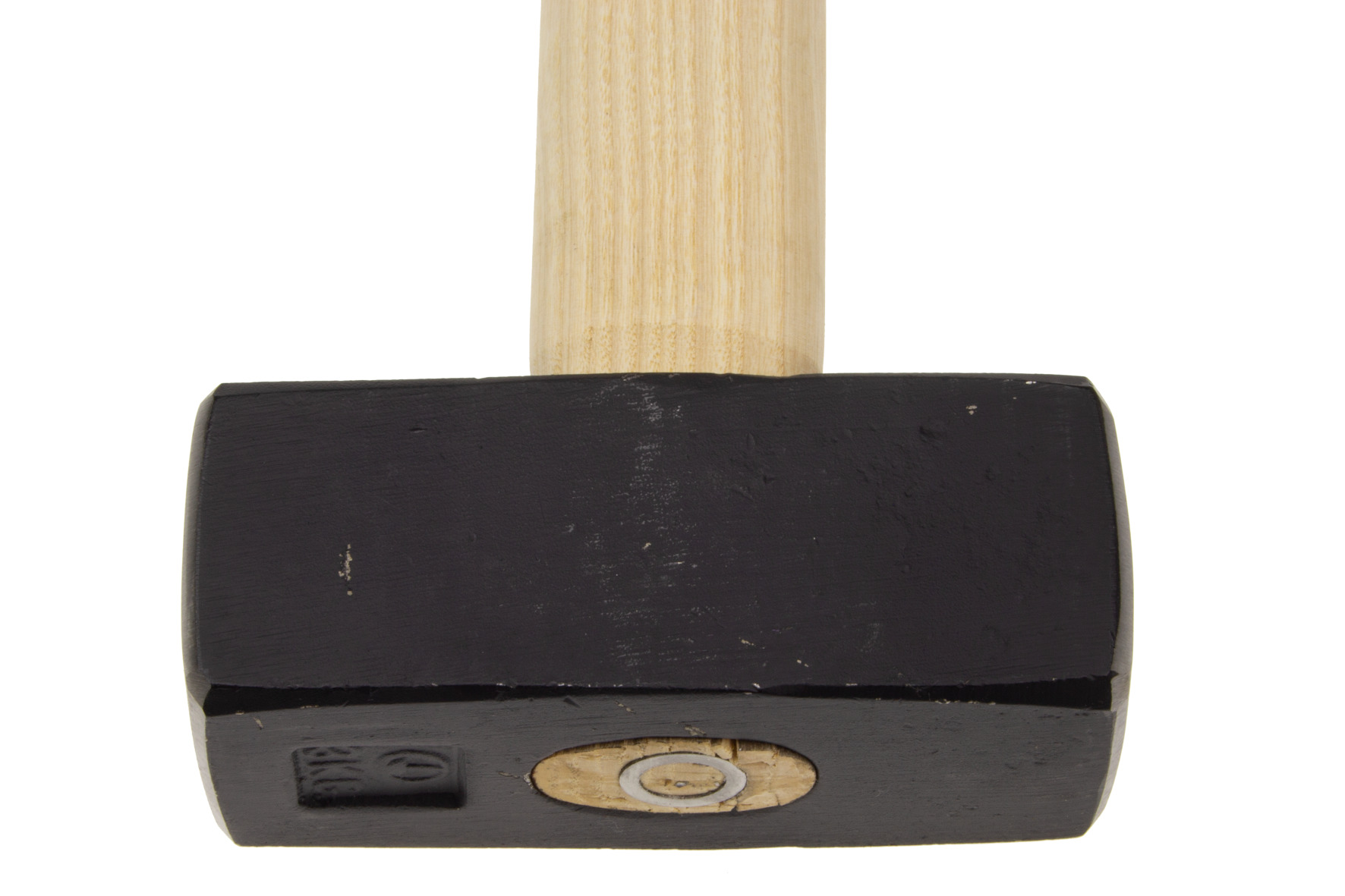
1021 Stoning hammer
Made of tool steel, best quality and design, with ash handle.
| Item No | Designation | Weight | Length | Head weight | Spare Parts |
|---|---|---|---|---|---|
| 102152 | Stoning hammer 3000 g | 3300 g | 600 mm | 3000 g | 102205 |
| 102154 | Stoning hammer 4000 g | 4400 g | 700 mm | 4000 g | 102205 |
| 102155 | Stoning hammer 5000 g | 5600 g | 900 mm | 5000 g | 102205 |
| 102156 | Stoning hammer 6000 g | 6600 g | 900 mm | 6000 g | 102205 |
Manufacturer information (GPSR)
MANUFACTURER ACCORDING TO THE EU GENERAL PRODUCT SAFETY REGULATION (GPSR)
STUBAI ZMV GmbH
Dr. Kofler Straße 1
A-6166 Fulpmes
Phone: +43 5225 6960 211
Email: office@stubai.com
Safety Instructions for the Use of Hammers
General Information:
• Partially subject to DIN 1041
• Suitable hammer for the task: Always use a hammer specifically designed for the respective task (e.g. machinist’s hammer, club hammer, or wooden mallet). Using an unsuitable hammer increases the risk of accidents and can make the work more difficult.
Intended Use:
• Safety is only ensured when the tool is used as intended. Use the hammer exclusively for its designated purpose.
• Work only with suitable striking surfaces to avoid damage to the hammer head.
Improper Use:
• Striking hardened surfaces such as other tools or solid metal parts is not permitted.
Inspection Before Use:
• Ensure the tool is intact: Carefully inspect the hammer before each use for damage such as cracks in the head, deformations, or a loose handle.
• Do not use damaged hammers: Hammers with a damaged head or handle must not be used, as they may break or slip uncontrollably.
Personal Protective Equipment:
• Wear safety goggles: Use safety goggles to protect yourself from chipping material or metal splinters.
• Hand protection: Wear robust work gloves that provide a secure grip and protect against splinters or skin injuries.
• Safety footwear: Wear safety shoes with a metal or plastic toe cap for toe protection.
Specific Instructions for Safe Hammer Use:
• Firm grip: The hammer handle must be clean, dry, and free from oil, grease, or other slippery substances. A firm grip prevents slipping during use.
• Controlled strikes: Do not apply excessive force. Striking too hard can reduce control over the hammer and damage the workpiece.
• Safe distance: Always maintain sufficient distance from other people to avoid accidental injuries caused by wide swinging movements or slipping blows.
Securing the Workpiece:
• Fixing the workpiece: Ensure that the workpiece is stable and safely secured, e.g. with a workbench or clamp.
Maintenance, Care and Storage:
• Cleaning after use: After each use, dirt and residues—especially from the striking surface—must be removed to maintain functionality.
• Storage: Store hammers out of reach of children and persons with limited physical, sensory, or mental abilities, in a safe place such as a toolbox or tool wall to prevent accidents.
Special Note for Beginners:
• Training: If you have little experience using hammers, seek instruction from a qualified person or practice under supervision.
Special Notes:
• Avoid improvisation: Use hammers exclusively for their intended purpose. Using tools for unsuitable applications can lead to tool breakage or injuries.
• Transport: Ensure that tools are securely fastened and stored in a dry place during transport.
This text has been partially translated with the support of AI technology.
STUBAI ZMV GmbH
Dr. Kofler Straße 1
A-6166 Fulpmes
Phone: +43 5225 6960 211
Email: office@stubai.com
Safety Instructions for the Use of Hammers
General Information:
• Partially subject to DIN 1041
• Suitable hammer for the task: Always use a hammer specifically designed for the respective task (e.g. machinist’s hammer, club hammer, or wooden mallet). Using an unsuitable hammer increases the risk of accidents and can make the work more difficult.
Intended Use:
• Safety is only ensured when the tool is used as intended. Use the hammer exclusively for its designated purpose.
• Work only with suitable striking surfaces to avoid damage to the hammer head.
Improper Use:
• Striking hardened surfaces such as other tools or solid metal parts is not permitted.
Inspection Before Use:
• Ensure the tool is intact: Carefully inspect the hammer before each use for damage such as cracks in the head, deformations, or a loose handle.
• Do not use damaged hammers: Hammers with a damaged head or handle must not be used, as they may break or slip uncontrollably.
Personal Protective Equipment:
• Wear safety goggles: Use safety goggles to protect yourself from chipping material or metal splinters.
• Hand protection: Wear robust work gloves that provide a secure grip and protect against splinters or skin injuries.
• Safety footwear: Wear safety shoes with a metal or plastic toe cap for toe protection.
Specific Instructions for Safe Hammer Use:
• Firm grip: The hammer handle must be clean, dry, and free from oil, grease, or other slippery substances. A firm grip prevents slipping during use.
• Controlled strikes: Do not apply excessive force. Striking too hard can reduce control over the hammer and damage the workpiece.
• Safe distance: Always maintain sufficient distance from other people to avoid accidental injuries caused by wide swinging movements or slipping blows.
Securing the Workpiece:
• Fixing the workpiece: Ensure that the workpiece is stable and safely secured, e.g. with a workbench or clamp.
Maintenance, Care and Storage:
• Cleaning after use: After each use, dirt and residues—especially from the striking surface—must be removed to maintain functionality.
• Storage: Store hammers out of reach of children and persons with limited physical, sensory, or mental abilities, in a safe place such as a toolbox or tool wall to prevent accidents.
Special Note for Beginners:
• Training: If you have little experience using hammers, seek instruction from a qualified person or practice under supervision.
Special Notes:
• Avoid improvisation: Use hammers exclusively for their intended purpose. Using tools for unsuitable applications can lead to tool breakage or injuries.
• Transport: Ensure that tools are securely fastened and stored in a dry place during transport.
This text has been partially translated with the support of AI technology.