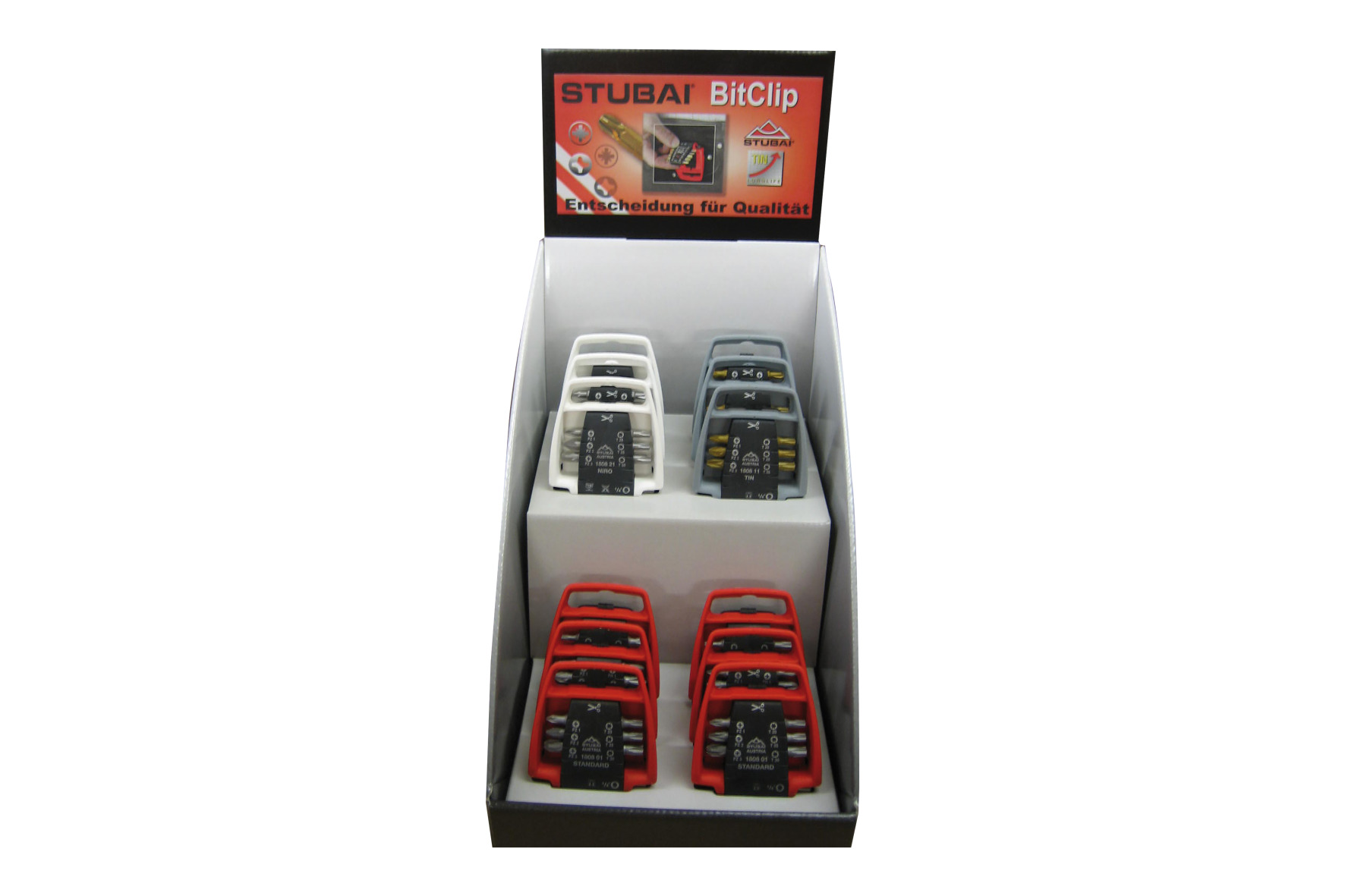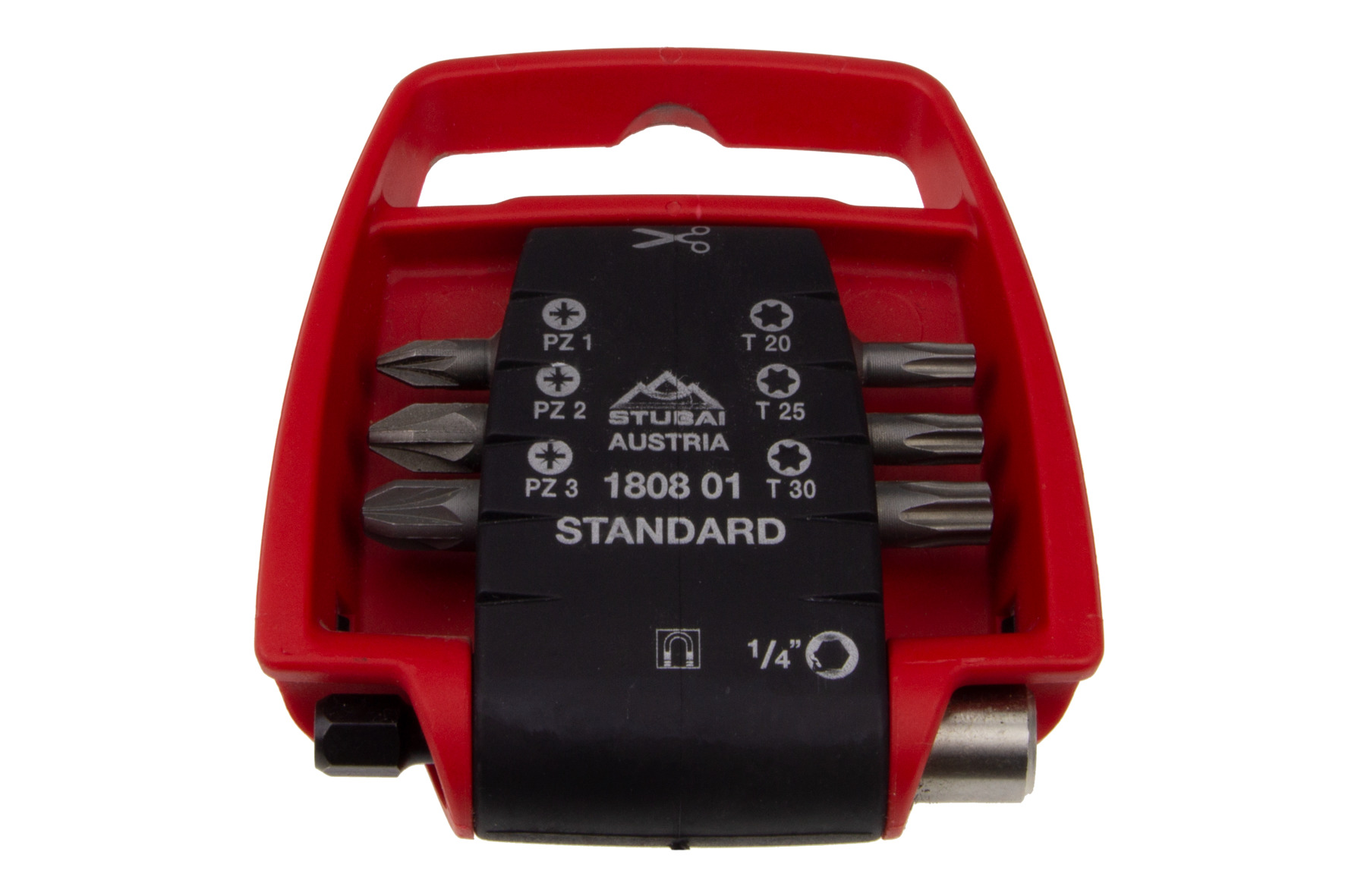
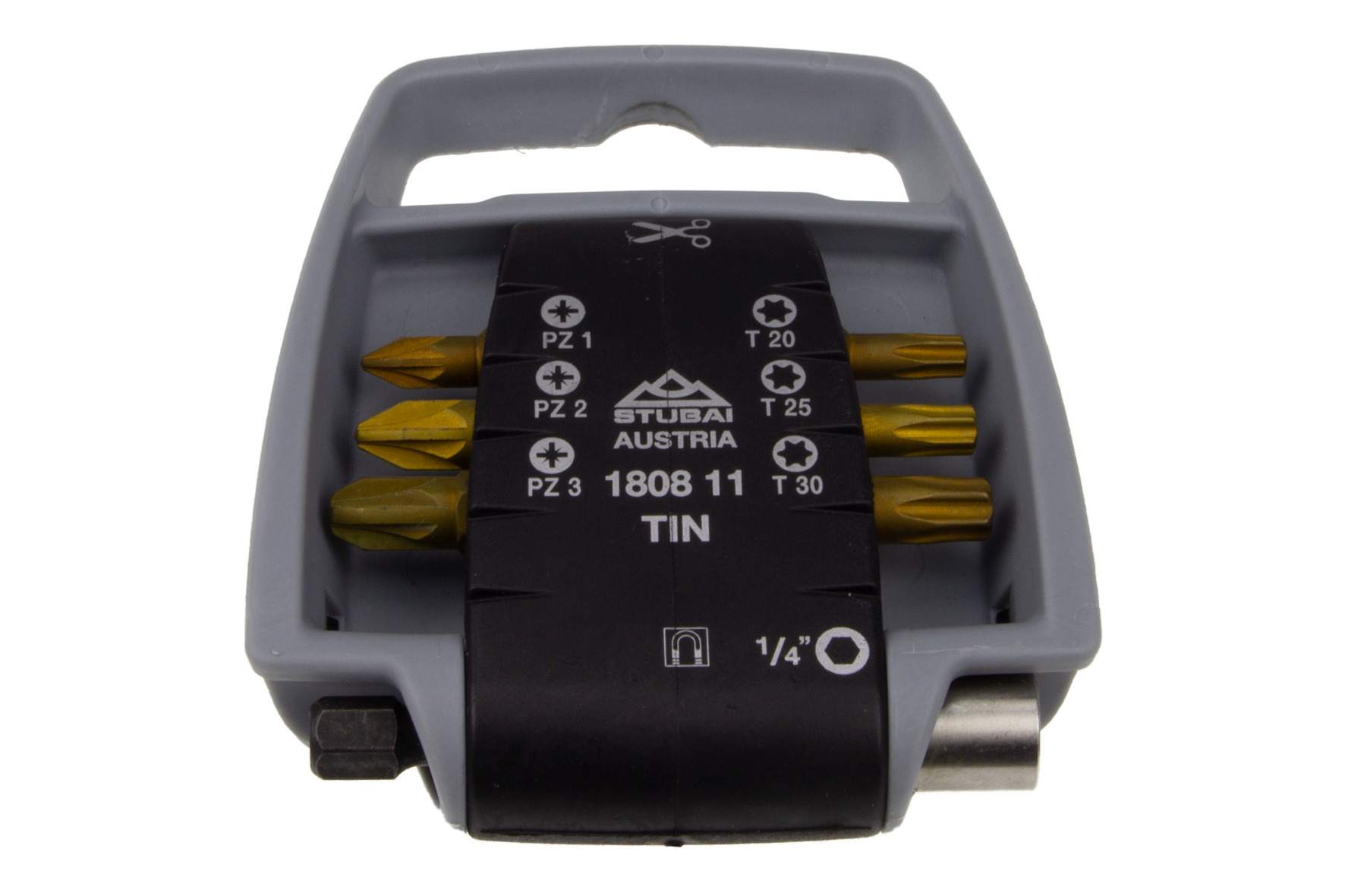
1808 Bit-clip set TIN 1
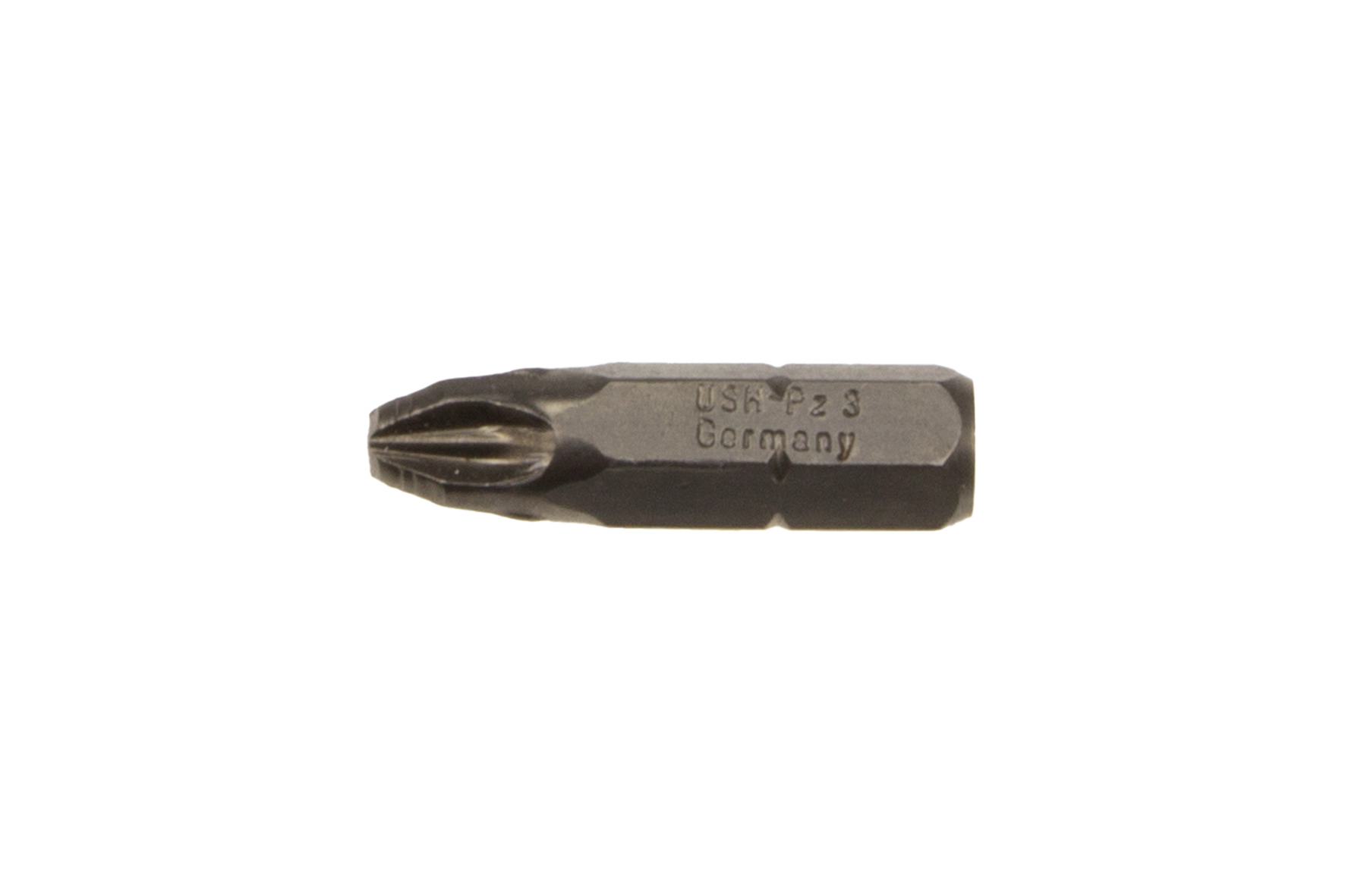
Consisting of PZ 1x25, PZ 2x25, PZ 3x25, TX 20x25, TX 25x25, TX 30x25, magnetic holder.
| Item No | Designation | Type | Inch | Weight | Number of parts |
|---|---|---|---|---|---|
| 180811 | Bit-clip set TIN 1 7 pcs. | Pozidriv | 1/4 " | 100 g | 7 Teile |
Manufacturer information (GPSR)
MANUFACTURER ACCORDING TO THE EU GENERAL PRODUCT SAFETY REGULATION (GPSR)
STUBAI ZMV GmbH
Dr. Kofler Straße 1
A-6166 Fulpmes
Phone: +43 5225 6960 211
Email: office@stubai.com
Safety Instructions for Bits
General Information:
• Partially subject to standards DIN 3126-C 6.3, ISO 1173, DIN 5260-PZ, ISO 8764-PZ or DIN 3126-C 6.3, ISO 1173, DIN 5260-PH, ISO 8764-PH or DIN 3126-C 6.3, ISO 1173, DIN 5264-C, ISO 2380 or DIN 3126-C 6.3, ISO 1173.
General Information:
• Suitable tool: Always use the tool specifically designed for the respective task. Using an unsuitable tool increases the risk of accidents and can make the work more difficult.
• Bits may only be used by persons with limited physical, sensory or mental abilities, or lacking experience and/or knowledge, if they are supervised by a person responsible for their safety, have received instructions on how to use bits, and have understood the resulting hazards.
• Children may only use bits if they are over 8 years old and are supervised by a person responsible for their safety, have received instructions on how to use bits, and have understood the resulting hazards.
• Keep packaging films away from children; risk of suffocation!
Intended Use:
• Safety is only ensured when the tool is used as intended. Use the tool exclusively for its designated purpose. Incorrect use may lead to tool breakage and injuries.
Improper Use:
• Use as a lever or chisel is not permitted.
Inspection Before Use:
• Ensure tool integrity: Check all bits before use for visible damage such as breaks or loose parts.
• Do not use damaged tools: Defective bits must not be used, as they increase the risk of accidents.
Personal Protective Equipment:
• Wear safety goggles: Use safety goggles to protect yourself from chipping material.
• Hand protection: Wear robust work gloves that provide a secure grip and protect against skin injuries.
• Safety footwear: Wear safety shoes with a metal or plastic toe cap to protect your toes.
Specific Safety Instructions During Use:
• Correct bit selection: Ensure that the bit is suitable for the screw or material. Using the wrong bit type may damage both the tool and the workpiece.
• Ensure secure seating: Before starting work, check that the bit is properly seated in the tool. A loose bit may make work difficult and cause injuries.
• Set torque correctly: Ensure that the tool’s torque setting is correct. Excessive torque may damage the bit, cause slipping or strip the screw.
• Handle the tool safely: Bits should always be used with a secure grip and proper control. A slipping bit may cause injuries or damage components.
• Avoid overloading: Use the bit only within the recommended speeds and application ranges. Overloading may cause deformation or breakage.
• Avoid overheating: Prevent bits from overheating, especially during intensive use. Overheating may weaken the bit structure and shorten its lifespan.
Maintenance, Care and Storage:
• Regular inspection: Check bits regularly for wear or damage. A damaged or worn bit should be replaced immediately to ensure safety and functionality.
• Cleaning after use: Clean bits after each use to remove dust, dirt and oil residues, ensuring long service life and proper function.
• Sharpening: If necessary, sharpen bits according to the manufacturer’s instructions to maintain effectiveness. A dull bit may impair work and damage the material.
• Rust protection: Protect metal parts from moisture to prevent rust. Apply rust protection if necessary.
• Storage: Store bits out of reach of children and persons with limited physical, sensory or mental abilities, in a safe, dry place such as a toolbox or tool wall to prevent accidents and damage.
Special Notes:
• Avoid improvisation: Use bits exclusively for their intended purpose. Using tools for unsuitable applications may lead to tool breakage or injuries.
• Transport: Ensure that bits are securely packed during transport and that sharp edges are protected to avoid injuries.
This text has been partially translated with the support of AI technology.
STUBAI ZMV GmbH
Dr. Kofler Straße 1
A-6166 Fulpmes
Phone: +43 5225 6960 211
Email: office@stubai.com
Safety Instructions for Bits
General Information:
• Partially subject to standards DIN 3126-C 6.3, ISO 1173, DIN 5260-PZ, ISO 8764-PZ or DIN 3126-C 6.3, ISO 1173, DIN 5260-PH, ISO 8764-PH or DIN 3126-C 6.3, ISO 1173, DIN 5264-C, ISO 2380 or DIN 3126-C 6.3, ISO 1173.
General Information:
• Suitable tool: Always use the tool specifically designed for the respective task. Using an unsuitable tool increases the risk of accidents and can make the work more difficult.
• Bits may only be used by persons with limited physical, sensory or mental abilities, or lacking experience and/or knowledge, if they are supervised by a person responsible for their safety, have received instructions on how to use bits, and have understood the resulting hazards.
• Children may only use bits if they are over 8 years old and are supervised by a person responsible for their safety, have received instructions on how to use bits, and have understood the resulting hazards.
• Keep packaging films away from children; risk of suffocation!
Intended Use:
• Safety is only ensured when the tool is used as intended. Use the tool exclusively for its designated purpose. Incorrect use may lead to tool breakage and injuries.
Improper Use:
• Use as a lever or chisel is not permitted.
Inspection Before Use:
• Ensure tool integrity: Check all bits before use for visible damage such as breaks or loose parts.
• Do not use damaged tools: Defective bits must not be used, as they increase the risk of accidents.
Personal Protective Equipment:
• Wear safety goggles: Use safety goggles to protect yourself from chipping material.
• Hand protection: Wear robust work gloves that provide a secure grip and protect against skin injuries.
• Safety footwear: Wear safety shoes with a metal or plastic toe cap to protect your toes.
Specific Safety Instructions During Use:
• Correct bit selection: Ensure that the bit is suitable for the screw or material. Using the wrong bit type may damage both the tool and the workpiece.
• Ensure secure seating: Before starting work, check that the bit is properly seated in the tool. A loose bit may make work difficult and cause injuries.
• Set torque correctly: Ensure that the tool’s torque setting is correct. Excessive torque may damage the bit, cause slipping or strip the screw.
• Handle the tool safely: Bits should always be used with a secure grip and proper control. A slipping bit may cause injuries or damage components.
• Avoid overloading: Use the bit only within the recommended speeds and application ranges. Overloading may cause deformation or breakage.
• Avoid overheating: Prevent bits from overheating, especially during intensive use. Overheating may weaken the bit structure and shorten its lifespan.
Maintenance, Care and Storage:
• Regular inspection: Check bits regularly for wear or damage. A damaged or worn bit should be replaced immediately to ensure safety and functionality.
• Cleaning after use: Clean bits after each use to remove dust, dirt and oil residues, ensuring long service life and proper function.
• Sharpening: If necessary, sharpen bits according to the manufacturer’s instructions to maintain effectiveness. A dull bit may impair work and damage the material.
• Rust protection: Protect metal parts from moisture to prevent rust. Apply rust protection if necessary.
• Storage: Store bits out of reach of children and persons with limited physical, sensory or mental abilities, in a safe, dry place such as a toolbox or tool wall to prevent accidents and damage.
Special Notes:
• Avoid improvisation: Use bits exclusively for their intended purpose. Using tools for unsuitable applications may lead to tool breakage or injuries.
• Transport: Ensure that bits are securely packed during transport and that sharp edges are protected to avoid injuries.
This text has been partially translated with the support of AI technology.