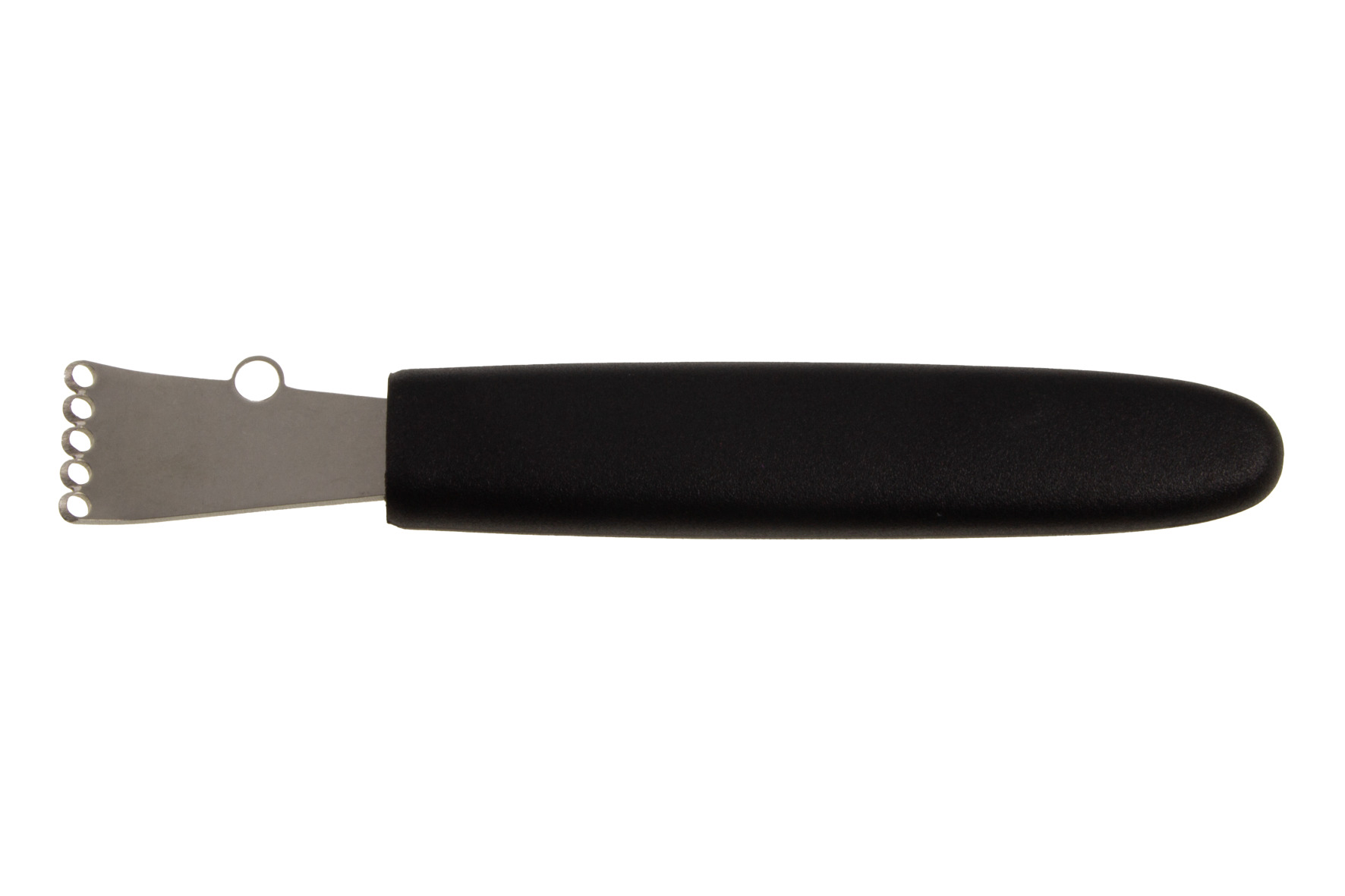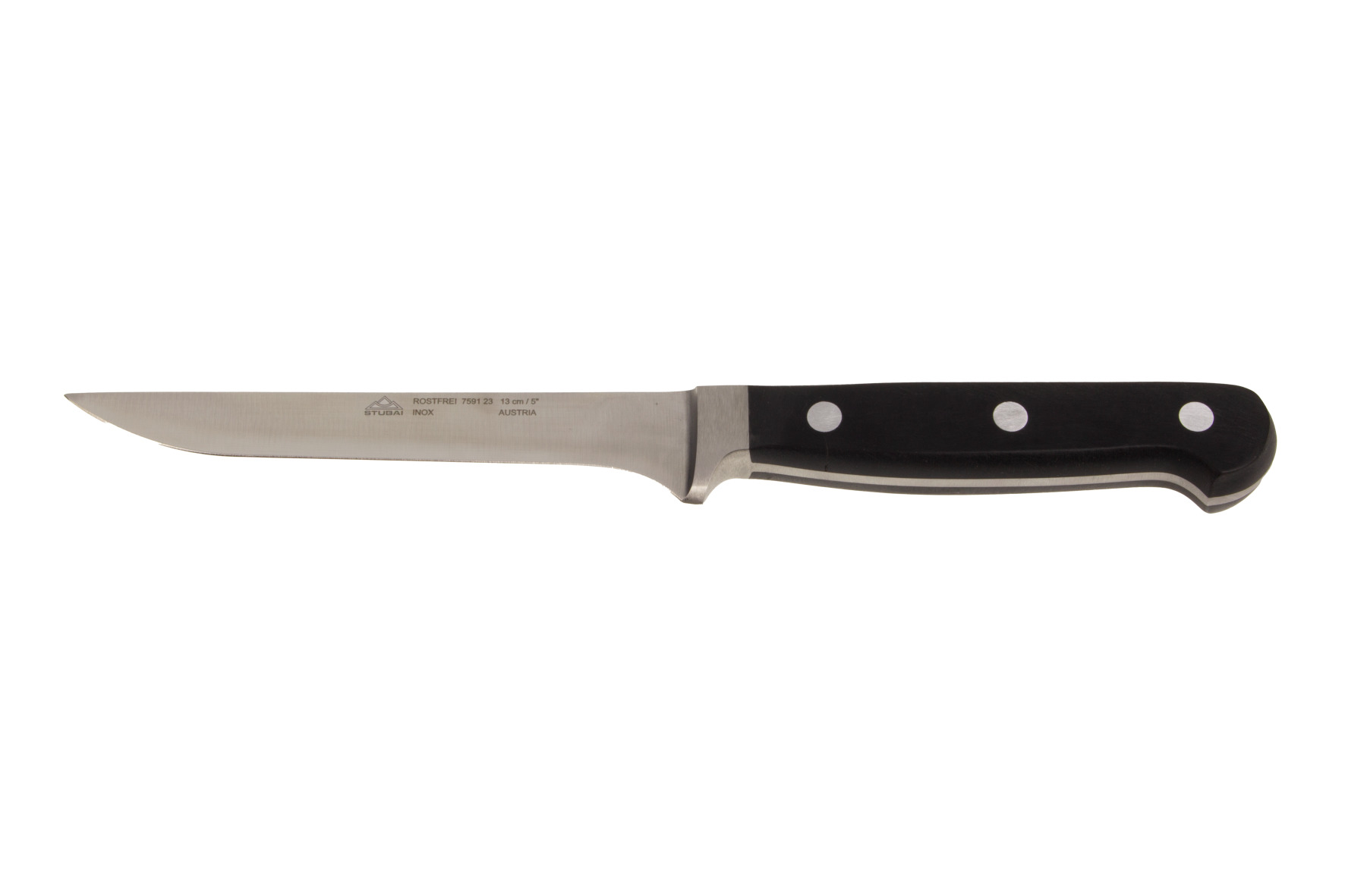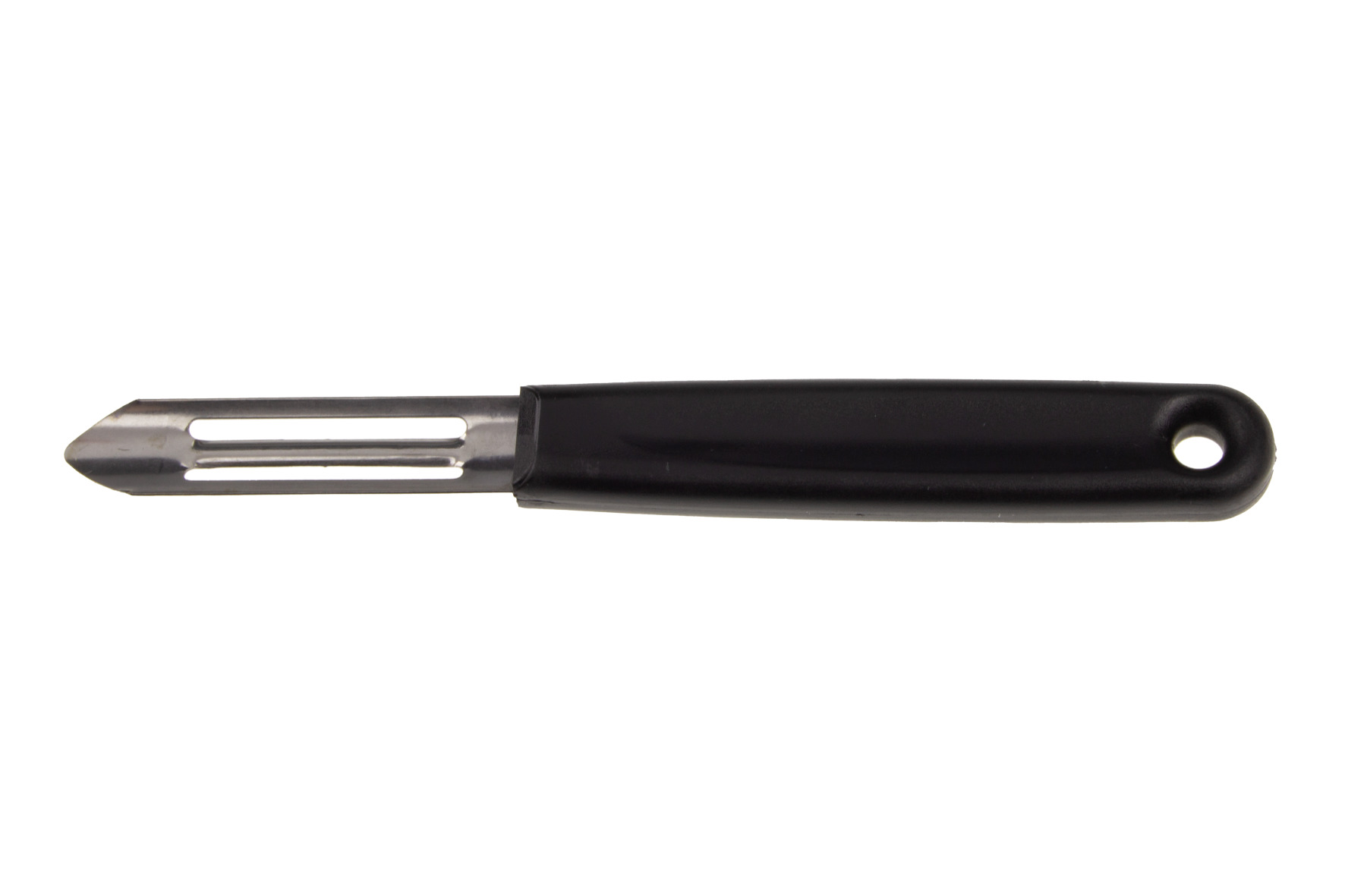
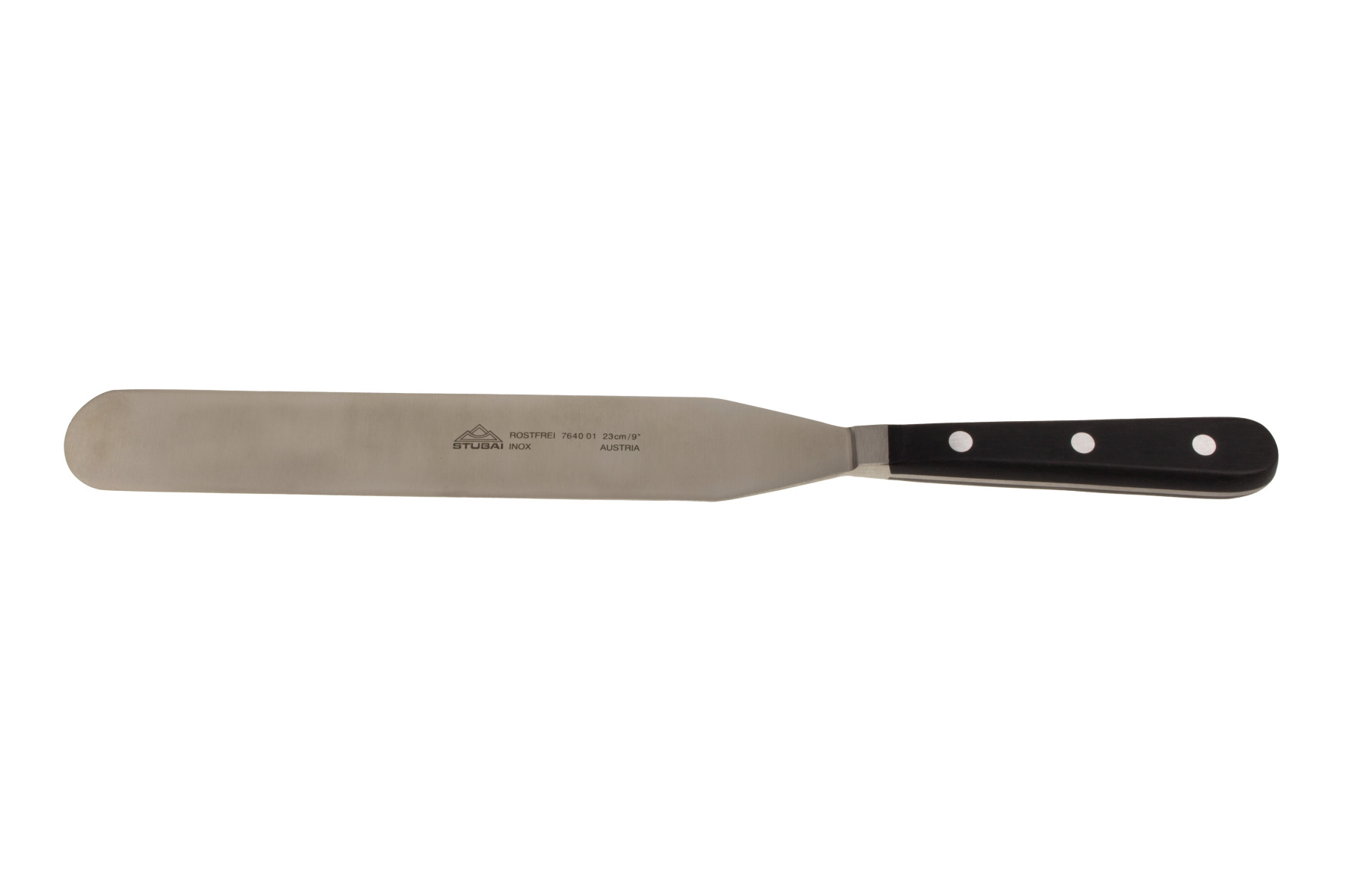
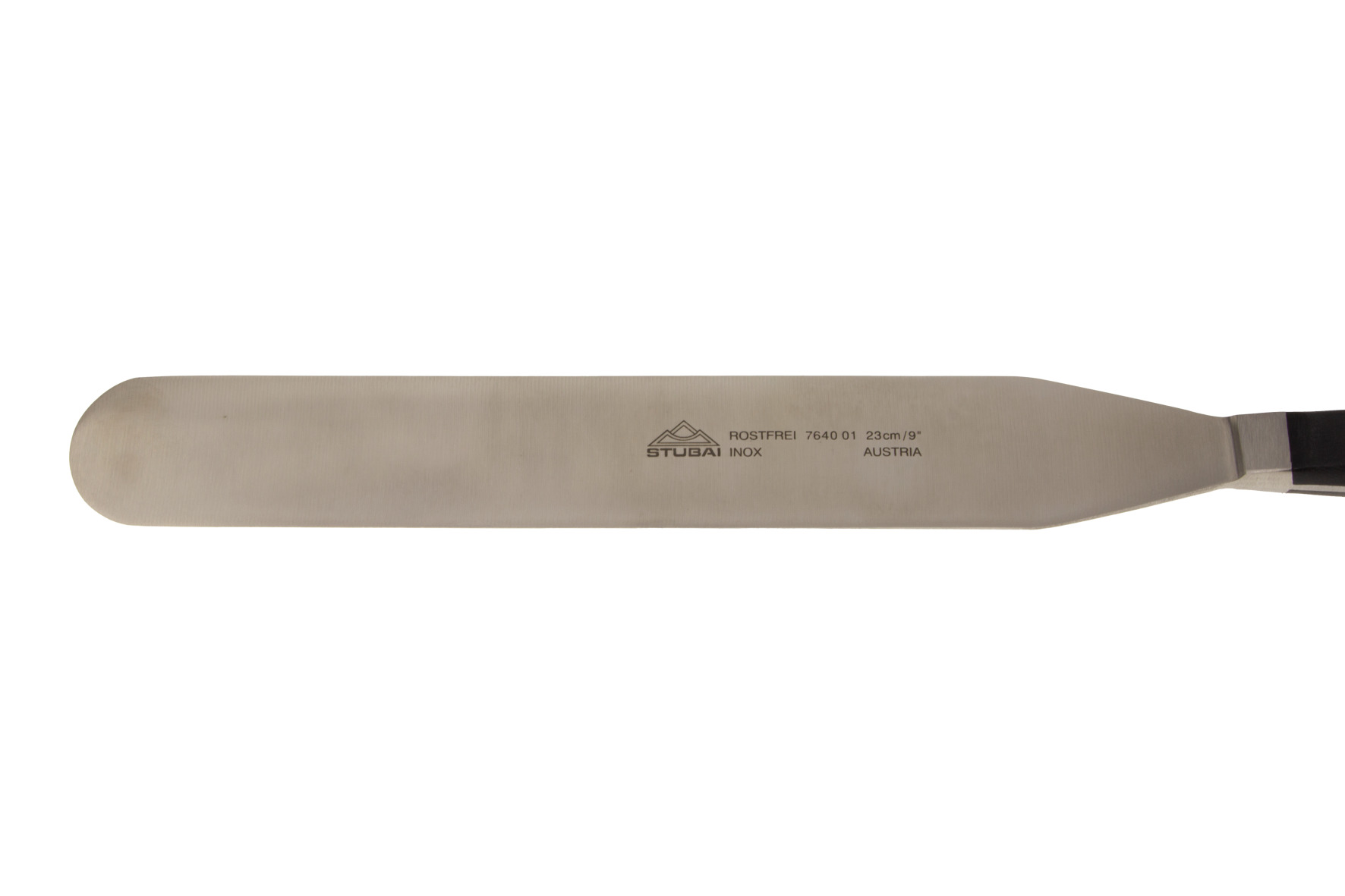
7640 Spatula, forged
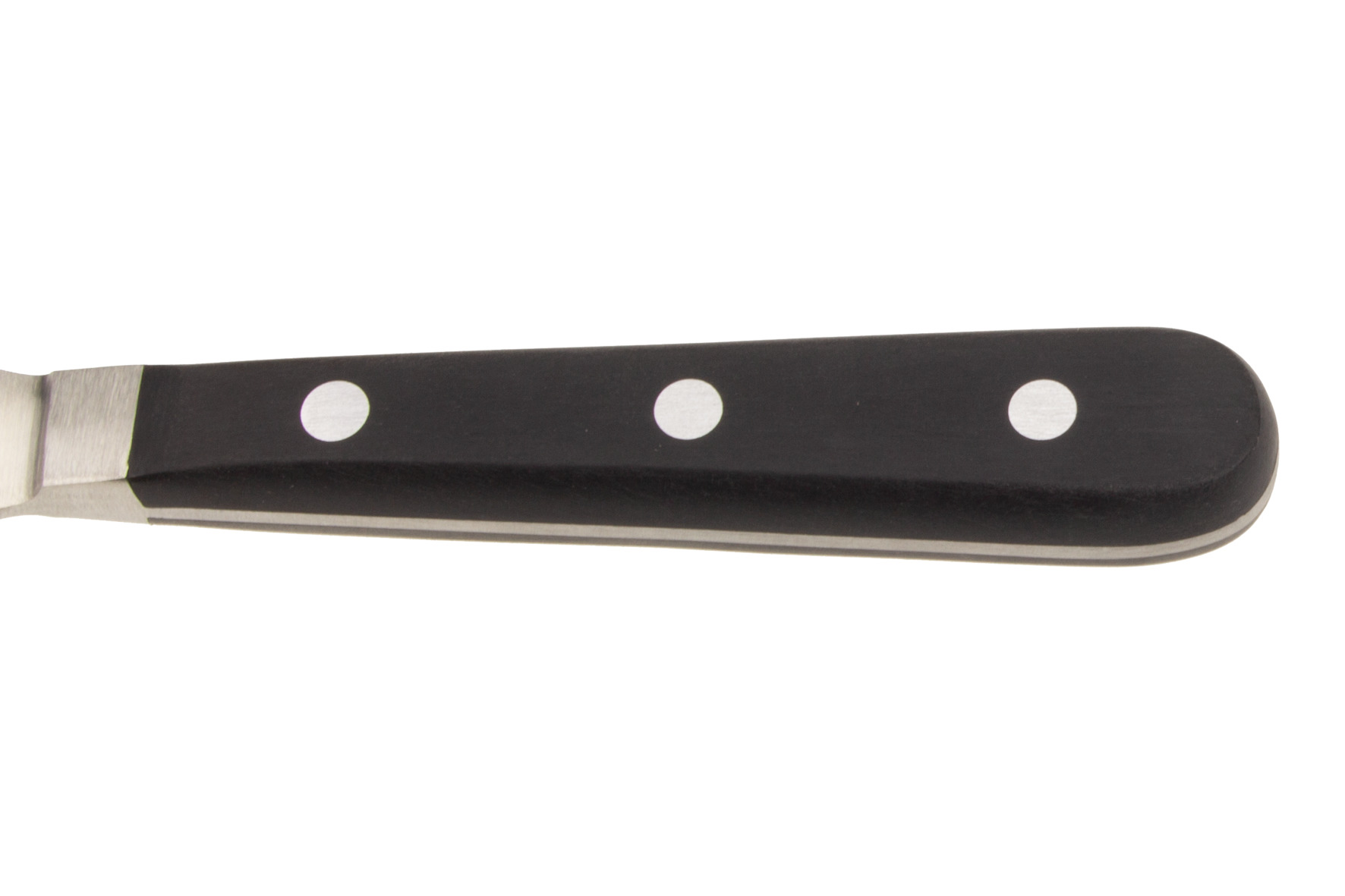
With polyoxymethylene handle.
| Item No | Designation | Weight | Length | Length in inch |
|---|---|---|---|---|
| 764001 | Spatula, forged 230 mm | 165 g | 230 mm | 9 " |
| 764002 | Spatula, forged 260 mm | 170 g | 260 mm | 10 " |
Manufacturer information (GPSR)
MANUFACTURER ACCORDING TO THE EU GENERAL PRODUCT SAFETY REGULATION (GPSR)
STUBAI ZMV GmbH
Dr. Kofler Straße 1
A-6166 Fulpmes
Phone: +43 5225 6960 211
Email: office@stubai.com
Safety Instructions for Household / Gastro / Butcher Knives
General Information:
• Knives may only be used by persons with limited physical, sensory or mental abilities, or lacking experience and/or knowledge, if they are supervised by a person responsible for their safety, have received instructions on how to use the knife, and have understood the resulting hazards.
• Children may only use the knife if they are over 8 years old and are supervised by a person responsible for their safety, have received instructions on how to use the knife, and have understood the resulting hazards.
• Keep packaging films away from children; risk of suffocation!
Intended Use:
• The knife is intended exclusively for cutting food.
Improper Use:
• Safety is only ensured when the knife is used as intended. Use knives exclusively for their designated purpose. Incorrect use may lead to breakage and injuries.
Inspection Before Use:
• Ensure tool integrity: Check all knives before use for visible damage such as cracks in the handle, breaks or loose parts.
• Do not use damaged tools: Defective knives must not be used, as they increase the risk of accidents.
Specific Safety Instructions During Use:
• Caution: Knives are extremely sharp. Improper use may lead to injuries. Always handle them with care.
• Keep hands away: Ensure that your hands are always kept away from the blade, especially while cutting or when changing knives.
• Controlled cutting: Cut slowly and deliberately. Avoid fast or uncontrolled movements to minimize the risk of slipping or cutting yourself.
• Stable handling: Always hold the knife by the handle and ensure that the food is placed securely on the surface and does not slip. Make sure the blade does not come into contact with your hand or other body parts, especially during use or when handing the knife to someone else.
• Avoid overloading: Do not cut overly hard or resistant materials (such as bones or frozen foods), as this may damage the knife and lead to uncontrolled movements.
• Use a cutting board made of wood, bamboo or other food?safe materials to protect the blade and maintain long?term sharpness.
Maintenance, Care and Storage:
• Regular inspection: Check the knife regularly for wear. A dull knife is more dangerous than a sharp one, as it requires more pressure and can slip more easily.
• Sharpening: If the knife becomes dull, sharpen it regularly to ensure safety and efficiency. Use a sharpening device or guide suitable for household knives.
• Rust protection: To prevent rust, dry the knife immediately after cleaning and store it in a dry place. You may apply a small amount of oil to the blade to increase protection.
• Handle care: Regularly check the condition of the handle. A damaged or loose handle may cause the knife to slip from your hand and lead to injuries.
• Cleaning: Wash the knife by hand after each use with lukewarm water, mild detergent and a soft sponge or cloth.
Avoid getting the wooden handle excessively wet, and never leave the knife soaking in water.
Dry both the blade and handle thoroughly after cleaning.
Do not clean the knife in the dishwasher and do not use aggressive or abrasive cleaning agents.
• Storage: For safe and protected storage, a knife block or similar solution is recommended. Protect the knife from direct sunlight and ensure good ventilation. Store knives out of reach of children and persons with limited physical, sensory or mental abilities.
Special Notes:
• Safety equipment: If you feel unsure when handling the knife, use cut?resistant gloves or a finger and hand protector to avoid injuries.
• Caution when handing the knife to another person: Always hold the blade downward and the handle upward to avoid injuries.
Information About Wood:
• As wood is a natural material, it is subject to natural changes such as darkening. Variations in structure, surface and grain are characteristic of real wood and do not constitute a defect.
This text has been partially translated with the support of AI technology.
STUBAI ZMV GmbH
Dr. Kofler Straße 1
A-6166 Fulpmes
Phone: +43 5225 6960 211
Email: office@stubai.com
Safety Instructions for Household / Gastro / Butcher Knives
General Information:
• Knives may only be used by persons with limited physical, sensory or mental abilities, or lacking experience and/or knowledge, if they are supervised by a person responsible for their safety, have received instructions on how to use the knife, and have understood the resulting hazards.
• Children may only use the knife if they are over 8 years old and are supervised by a person responsible for their safety, have received instructions on how to use the knife, and have understood the resulting hazards.
• Keep packaging films away from children; risk of suffocation!
Intended Use:
• The knife is intended exclusively for cutting food.
Improper Use:
• Safety is only ensured when the knife is used as intended. Use knives exclusively for their designated purpose. Incorrect use may lead to breakage and injuries.
Inspection Before Use:
• Ensure tool integrity: Check all knives before use for visible damage such as cracks in the handle, breaks or loose parts.
• Do not use damaged tools: Defective knives must not be used, as they increase the risk of accidents.
Specific Safety Instructions During Use:
• Caution: Knives are extremely sharp. Improper use may lead to injuries. Always handle them with care.
• Keep hands away: Ensure that your hands are always kept away from the blade, especially while cutting or when changing knives.
• Controlled cutting: Cut slowly and deliberately. Avoid fast or uncontrolled movements to minimize the risk of slipping or cutting yourself.
• Stable handling: Always hold the knife by the handle and ensure that the food is placed securely on the surface and does not slip. Make sure the blade does not come into contact with your hand or other body parts, especially during use or when handing the knife to someone else.
• Avoid overloading: Do not cut overly hard or resistant materials (such as bones or frozen foods), as this may damage the knife and lead to uncontrolled movements.
• Use a cutting board made of wood, bamboo or other food?safe materials to protect the blade and maintain long?term sharpness.
Maintenance, Care and Storage:
• Regular inspection: Check the knife regularly for wear. A dull knife is more dangerous than a sharp one, as it requires more pressure and can slip more easily.
• Sharpening: If the knife becomes dull, sharpen it regularly to ensure safety and efficiency. Use a sharpening device or guide suitable for household knives.
• Rust protection: To prevent rust, dry the knife immediately after cleaning and store it in a dry place. You may apply a small amount of oil to the blade to increase protection.
• Handle care: Regularly check the condition of the handle. A damaged or loose handle may cause the knife to slip from your hand and lead to injuries.
• Cleaning: Wash the knife by hand after each use with lukewarm water, mild detergent and a soft sponge or cloth.
Avoid getting the wooden handle excessively wet, and never leave the knife soaking in water.
Dry both the blade and handle thoroughly after cleaning.
Do not clean the knife in the dishwasher and do not use aggressive or abrasive cleaning agents.
• Storage: For safe and protected storage, a knife block or similar solution is recommended. Protect the knife from direct sunlight and ensure good ventilation. Store knives out of reach of children and persons with limited physical, sensory or mental abilities.
Special Notes:
• Safety equipment: If you feel unsure when handling the knife, use cut?resistant gloves or a finger and hand protector to avoid injuries.
• Caution when handing the knife to another person: Always hold the blade downward and the handle upward to avoid injuries.
Information About Wood:
• As wood is a natural material, it is subject to natural changes such as darkening. Variations in structure, surface and grain are characteristic of real wood and do not constitute a defect.
This text has been partially translated with the support of AI technology.